The houses of Alba
Three things distinguished Alba from other people.
The first was her tattoos. Her arms and legs were covered in lines: stripes, zigzags, circles. Her skin looked like a sketchpad of someone who fell asleep halfway through a drawing. Sometimes, even Alba wasn’t sure what her tattoos meant. She felt they moved at night.
The second thing was her job. Alba designed houses for cats: little beds, towers, boxes, tiny mansions. There was no limit to what she could do. Alba couldn’t stop. A little voice inside her had been asking her to rest. She pushed this voice down until she could hear it no more. This led to the third special thing about Alba: she had stopped sleeping. Why waste precious hours when she could be drawing a new cat house?
She sent her blueprints to a small factory, which built the houses for her. Selling the houses was easy: her uncle Bruno was a biker. Like many other bikers, Bruno loved cats and had many friends who also loved cats. New customers found Alba all the time.
It was easy to work with Bruno because, like Alba, Bruno hated sleeping. He loved waking people up with the wild roar of his motorcycle. He would accelerate in front of houses where he saw too many dark windows. Behind those windows, people silently wished Bruno would go to hell.
Meanwhile, the voice in Alba’s head began to grow impatient.
“You work and work, obsessed with your houses, and never think about my needs,” her soul shouted at her.
“Just five more minutes,” Alba said, leaning over a drawing. Then she stayed awake all night.
“Very well,” the soul said one night. “If you don’t need to sleep, I do.” The soul floated out of her ear like smoke. It went to the Land of Dreams, where new ideas floated in the sky and trees spoke in foreign languages.
At first, Alba felt liberated. There was nothing left inside her begging for rest. She could finally create without being distracted. But the opposite happened – ideas stopped coming. She walked through days as if invisible threads were dragging her. She no longer remembered why she worked so much. She felt empty. Only a distant hum deep in her chest reminded her that she used to have a soul. Even her tattoos seemed exhausted. Little by little, Alba fell into the Hell of the Sleepless: a place where no one sleeps, but everyone repeats their past days in their heads, like a scratched record. There, Alba found a yellow lantern. She sat under it and watched her tears distort the yellow light.
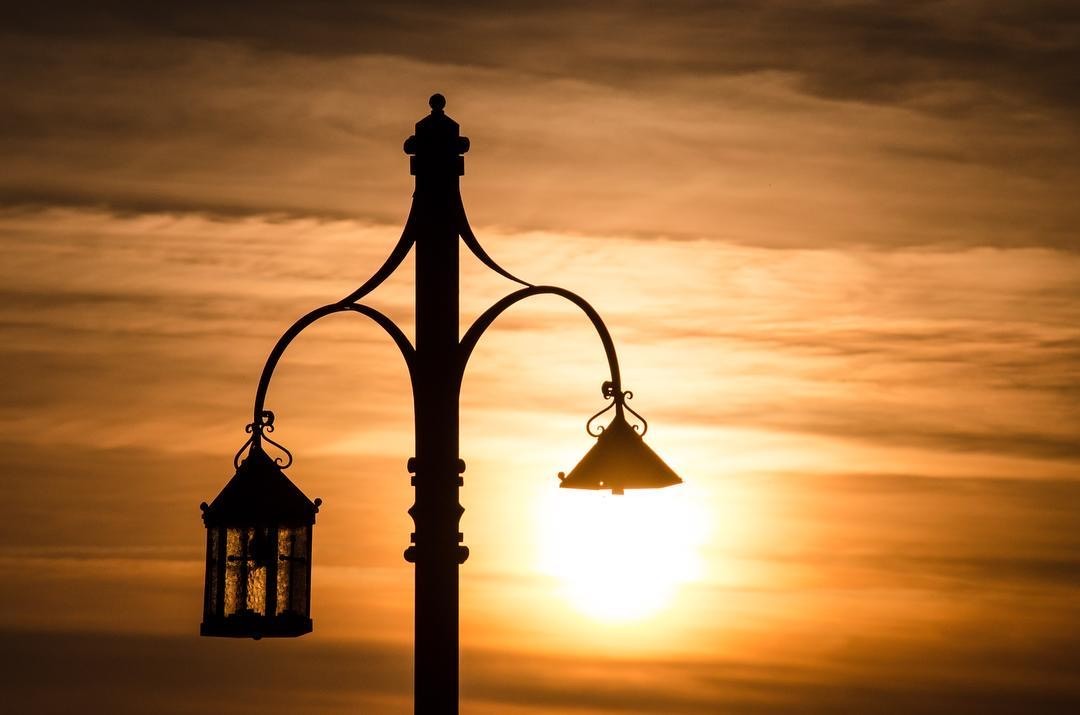
Meanwhile, somewhere in the world, Bruno’s motorcycle roared between buildings. Bruno wore a black leather jacket and sunglasses, even though it was night. He felt like a commander of dreams, and that thought gave him strength to keep accelerating. But at some intersection, he took the wrong turn. The air became thick. Traffic signs appeared upside down. The asphalt began to drip like ink. Without knowing it, Bruno had entered the Hell of the Sleepless. There he saw her, a girl crying under the yellow lantern. He couldn’t remember her name. Alba no longer recognized him either. She didn’t even recognize herself.
“Who are you?” she asked him.
But Bruno could only say:
“I’m lost.”
Alba’s tattoos shuddered, twisted, and then detached from her skin. They fell to the ground and crawled away like centipedes.
Neither Bruno nor Alba knew how much time had passed because time stood still, like jelly. Then, out of the corner of her eye, Alba saw her soul descend. It was guided by the zigzags and stripes that used to be her tattoos. The soul brought with it some dreams it had found: an elephant that painted, a fish that floated through the air. The dreams enveloped them like blankets. The soul re-entered Alba’s ear, sighing like a tired but understanding mother. Alba and Bruno fell asleep under the lantern, smiling. The hell dissolved like hazy air after rain.
Since then, Alba sleeps every night and dreams of new houses for cats. Bruno sleeps all day and drives his motorcycle through the desert where he can wake only the stars.